CALL (425) 218-4234 – FREE ESTIMATE


Hardwood Floor Sanding and Finishing
Tired of scratched, dull hardwood floors? See how professional sanding and refinishing revives old hardwood floors, extends their life for decades, saves you thousands vs. replacement. Learn most cost-effective way to restore your floors. Dive into the full guide on why this timeless process is worth it!
HARDWOOD REFINISHINGREFINISHINGHARDWOOD FLOORING
Alex Babko
5 min read
Why Sand and Refinish Hardwood Floors? The Ultimate Way to Restore Beauty, Durability, and Value
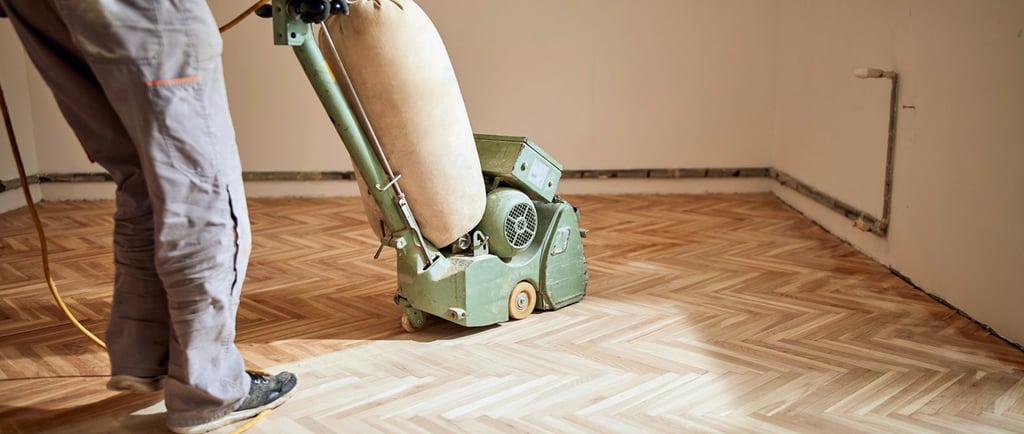
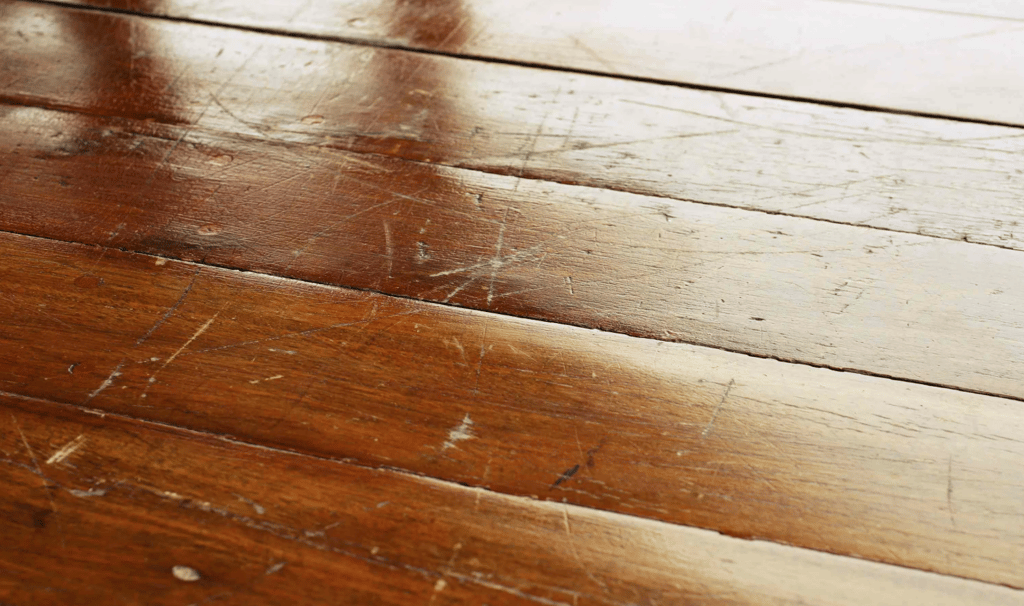
Over time, floors get scratched, faded, or dull. Sanding fixes that by taking off the top damaged layer. Finishing adds a tough shield that stops future wear. Together, they make your floors look brand new and keep them that way. Homeowners love the results.
One client in Redmond said: “Our 20-year-old oak floors look better than the day they were installed. No need for replacing floors, no stress, just perfect.”
Key Benefits of Sanding and Refinishing Hardwood Floors
1. Restores Like-New Appearance
Sanding strips away scratches, scuffs, dents, discoloration, and old finish, exposing clean, beautiful wood. A fresh stain (or natural clear coat) and new sealer bring back the rich grain, color, and shine that made you fall in love with hardwood in the first place.
2. Extends Lifespan and Adds Durability
Solid hardwood can be sanded and refinished multiple times (typically 4–10, depending on thickness and species), adding decades of life. Each refinish removes minor damage and seals the wood with a fresh protective layer that's more resistant to future scratches, stains, and wear.
3. Cost-Effective Compared to Replacement
Refinishing usually costs a fraction of installing new floors—often 30–70% less—since there's no demo, disposal, or new materials needed. It's a smart investment that boosts home value and appeal without the full expense.
4. Healthier Indoor Environment
The process removes built-up dirt, allergens, dust, and old contaminants trapped in the finish. A new seal creates a cleaner, fresher surface that's easier to maintain long-term.
5. Eco-Friendly and Sustainable
By reusing your existing floors, you reduce waste, avoid harvesting new trees, and lower your carbon footprint—far greener than replacement.
6. Customization Opportunities
Change the stain color, switch to a matte vs. glossy finish, or update the tone to match your evolving style—without ripping everything out.
The Process: What to Expect
Modern dustless sanding makes the job cleaner and less disruptive:
Pros use advanced equipment that captures 95–99% of dust at the source.
The floor is progressively sanded (coarse to fine grits) to smooth imperfections.
Stain (optional) and multiple coats of durable finish (like water-based or Swedish) are applied.
Total time: 3–7 days, with minimal downtime compared to full replacement.
- Wood Floor Maintenance
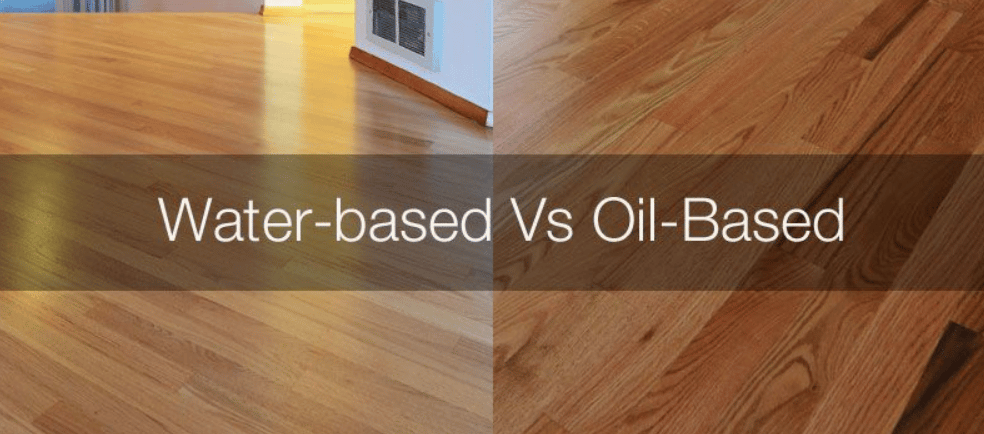
Swedish Finish vs. Water-Based Finish for Hardwood Floors: Which Is Better?
When refinishing or installing hardwood floors, one of the biggest decisions is the final protective coating. Two popular options often come up in homeowner discussions: Swedish finish (also known as acid-cured or conversion varnish) and water-based finish (like modern polyurethane products from brands such as Bona Traffic HD). People frequently search for comparisons because these finishes affect durability, appearance, safety, odor, and overall convenience.
Swedish finish has long been a favorite in regions like the Pacific Northwest for its classic look and toughness, while water-based finishes have gained popularity for being safer and easier on modern households. Below, we'll break down what each is, the key differences, pros/cons, and help you decide based on common questions and industry sources.
What Is Swedish Finish?
Swedish finish is an alcohol-based, acid-cured varnish developed in Scandinavia in the 1950s (brands like Glitsa or Absco are classics). It's a two-component system (finish + hardener) applied by professionals only. It cures quickly on the surface but fully hardens over time, creating a hard, protective shell.
What Is Water-Based Finish?
Water-based finishes are modern urethane or urethane-acrylic emulsions (e.g., Bona Traffic HD, Loba, or similar high-end products). They're low-VOC, air-dry quickly, and form a clear, tough film. High-quality versions (often two-component) match or exceed older finishes in performance.
Swedish Finish – Deep, rich shine that lasts for years. Perfect for high-traffic areas.
Water-Based Finish – Clear, non-toxic, and eco-friendly. Safe for kids and pets. Dries fast with no odor.
Swedish Finish Pros: Unmatched durability in high-wear areas, beautiful warm enhancement of wood, hides minor scratches better (they don't reflect light as much).
Swedish Finish Cons: Intense fumes and health risks (many report needing to vacate for days/weeks), flammable hazards, longer off-gassing.
Water-Based Finish Pros: Low odor/VOCs, faster return to home, clearer/natural appearance, easier maintenance recoats, safer for everyone (especially with kids/pets).
Water-Based Finish Cons: May require more coats for grain fill, can show scratches more visibly, slightly less "forgiving" on application in older views (though modern formulas excel).
Common Questions People Ask
Which is more durable? Swedish was the gold standard for decades, but premium water-based (like Bona Traffic HD) now matches or rivals it in real-world wear. Many pros say modern water-based holds up equally well, especially with proper application.
Is Swedish finish safe for families/pets/kids? Major concern—fumes are harsh; many advise vacating the home fully. Water-based is overwhelmingly recommended for occupied or sensitive households.
Does Swedish finish yellow/amber more? Yes, it adds a warm, rich tone over time; water-based stays clearer.
Can I stay home during application? Rarely with Swedish (strong smell, safety risks); yes with water-based.
What's best for refinishing? Depends on your priorities—durability and look (Swedish) vs. health/convenience (water-based).
Which Should You Choose?
Choose Swedish finish if you want maximum durability, love the classic amber glow, can vacate your home during the project, and prioritize a proven "forever" look.
Choose water-based finish (especially high-end like Bona Traffic HD or Bona Natural Seal) for safer, low-odor application, faster recovery, a natural/clear appearance, and modern family-friendly performance.
Many contractors note that water-based technology has advanced so much that the gap has closed—today's top water-based options often win for most homeowners. Always consult a certified pro, test samples, and consider your lifestyle (pets, kids, allergies? Go water-based).
Ready to refinish your floors with the right finish? Reach out for expert advice, we can help you pick what's best for your home!
Contact us today for a free quote. We’ll have your floors looking fresh and protected in no time.
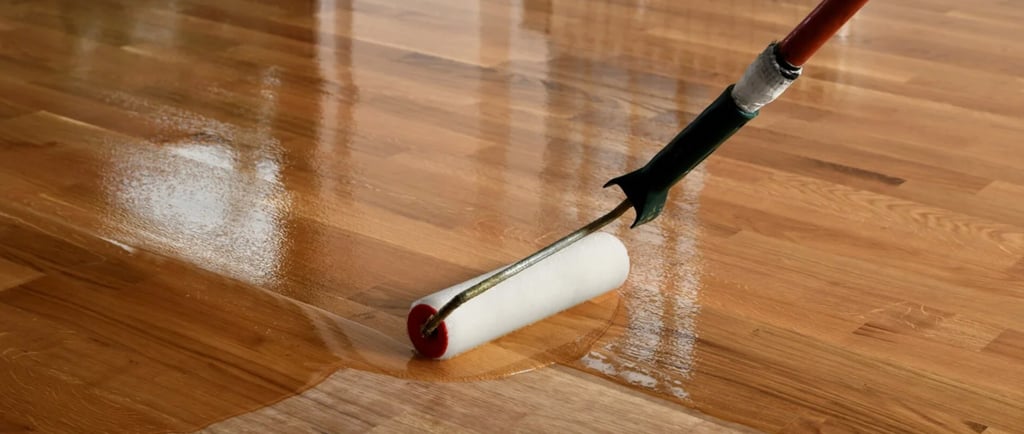
When Is It Time to Sand and Refinish?
Visible scratches, dull spots, or worn high-traffic areas
Faded or uneven color
Old finish that's peeling or cracking
You want a fresh look without starting over
If your floors are solid hardwood with enough thickness left (check by inspecting edges or vents), refinishing is usually the way to go. Engineered hardwood may have limits due to thinner veneers.
Final Thoughts
Sanding and refinishing isn't just maintenance—it's a revival that preserves your home's character, saves money, and delivers stunning results. Many homeowners say their refinished floors look better than new and hold up beautifully for another 15–30+ years.
Tired of looking at worn floors? Contact us at Vision Flooring LLC for a free assessment—we specialize in professional sanding, dustless methods, and high-quality finishes. Serving Bellevue, Kirkland, Everett, Mukilteo, Mill Creek, and nearby areas. Let's bring your hardwood back to life!
Have questions about your specific floors? We're happy to help!
Connect
Follow Us
© 2025 Vision Flooring LLC. All rights reserved.